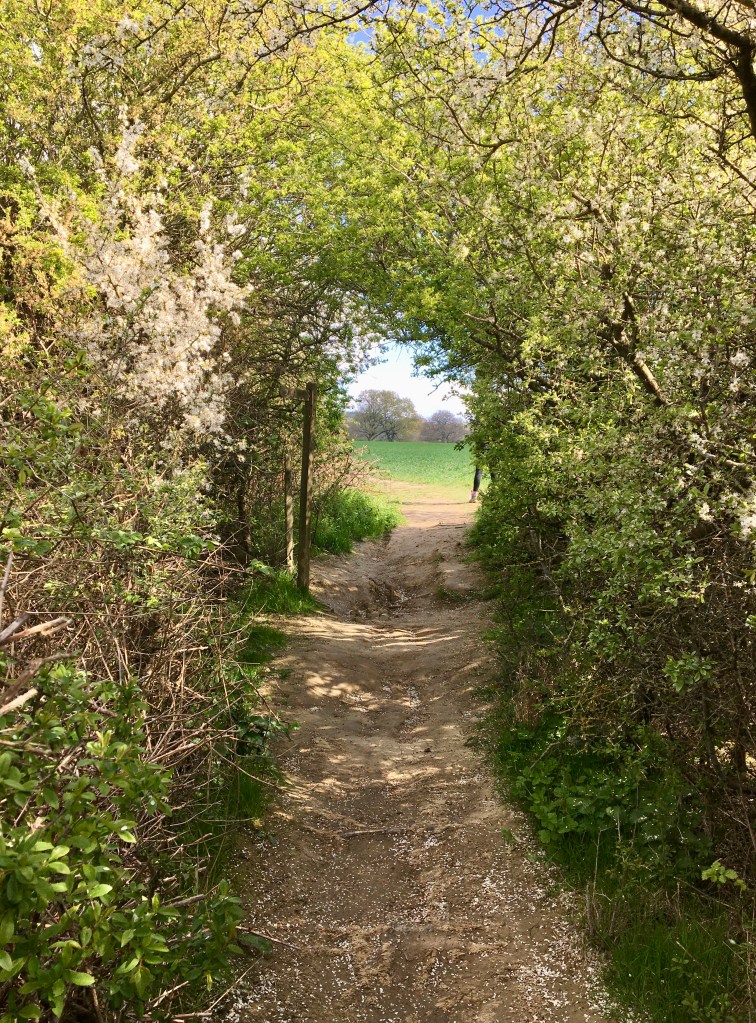
Littlehaven is a small train station on the outskirts of Horsham; less than a 10 minute drive away, with easy on street parking. This magical spring walk starts down an easily missed, unpromising narrow track off the main road; initially skirting around the back of a cluster of closely lined houses.
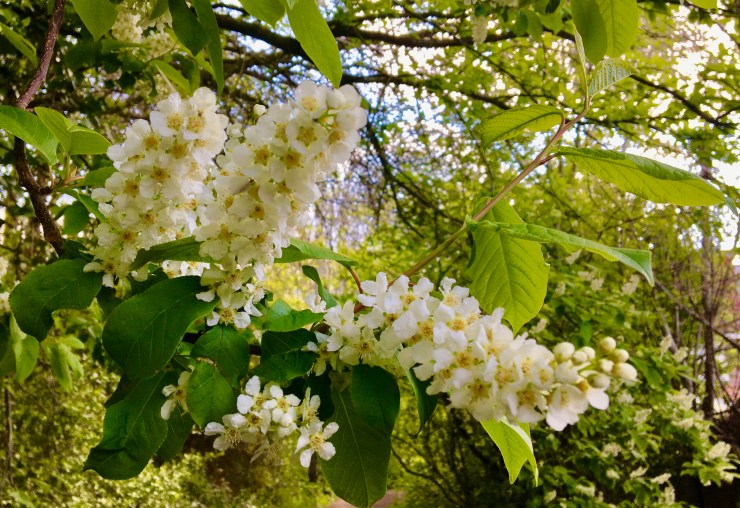
However, it immediately rewards as the track follows the dappled shade of the river Arun, picking its way through woodland flowers and graceful trees, which pre date, and mask, the houses that mark Horsham’s expansion.
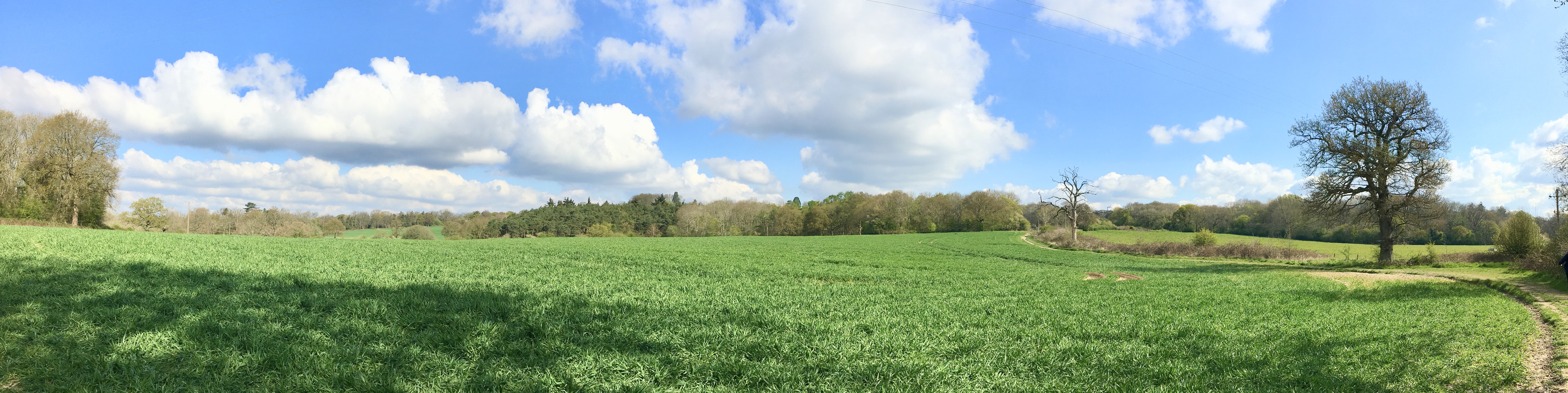
One tricky crossing, over the Dual Carriageway leading out of town, is quickly forgotten as the track unveils open fields: wide green expanses of swaying crops under broad blue sky.
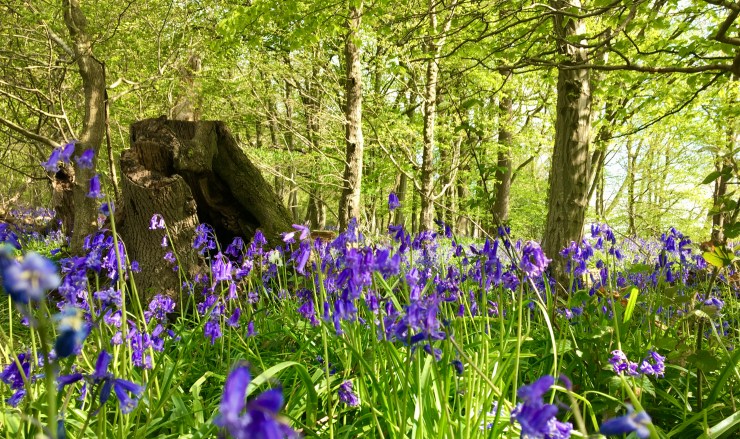
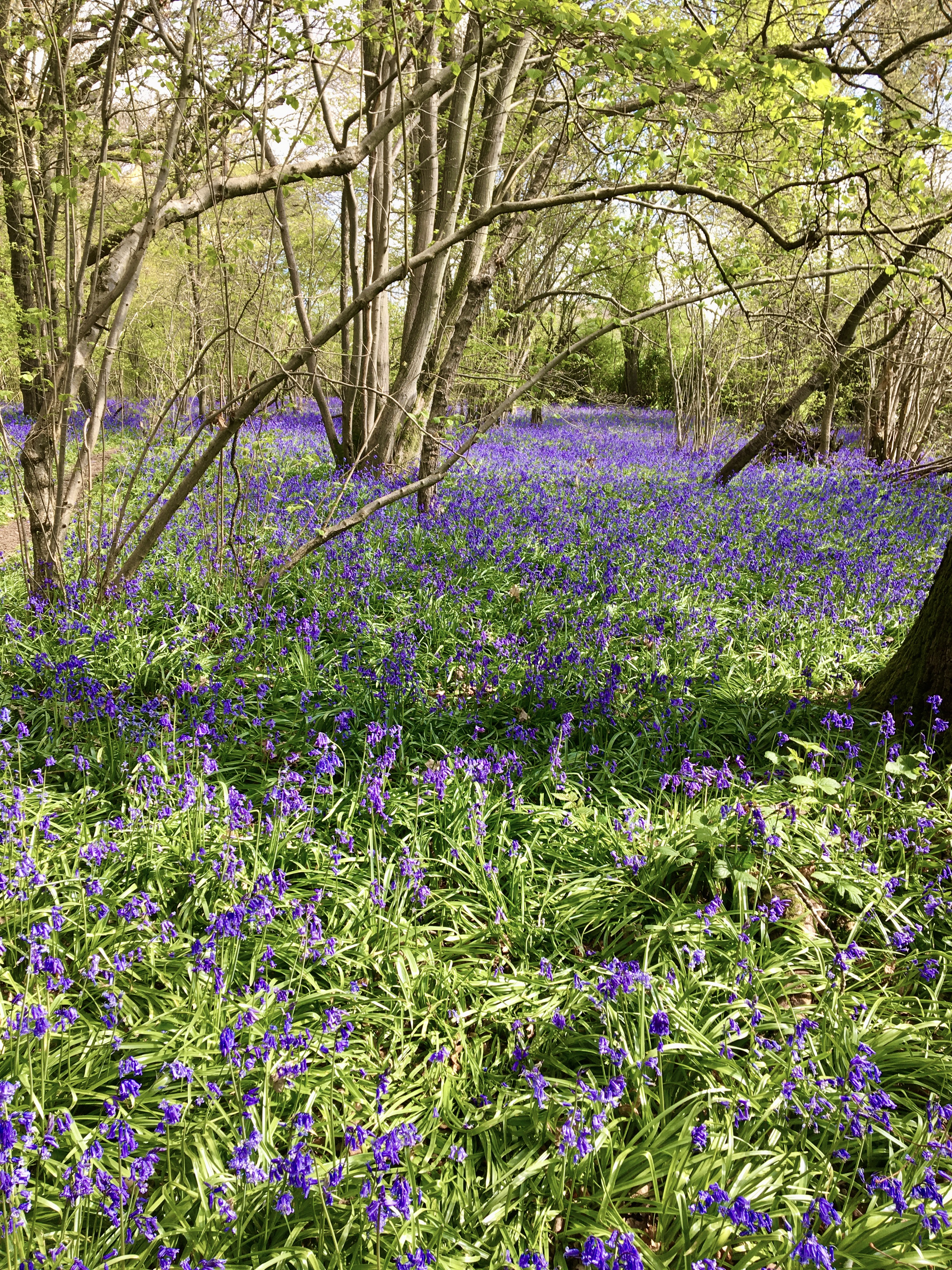
The wonders of this route, in Spring, are the vast, quiet woodlands – fully carpeted with masses of soft blue bobbing heads in all directions. Such a perfect compliment to the bright green cushions of velvety moss which coat so many of the gently decaying stumps and branches, dark bark and bleached grey looking trees. A colour palette made in heaven!
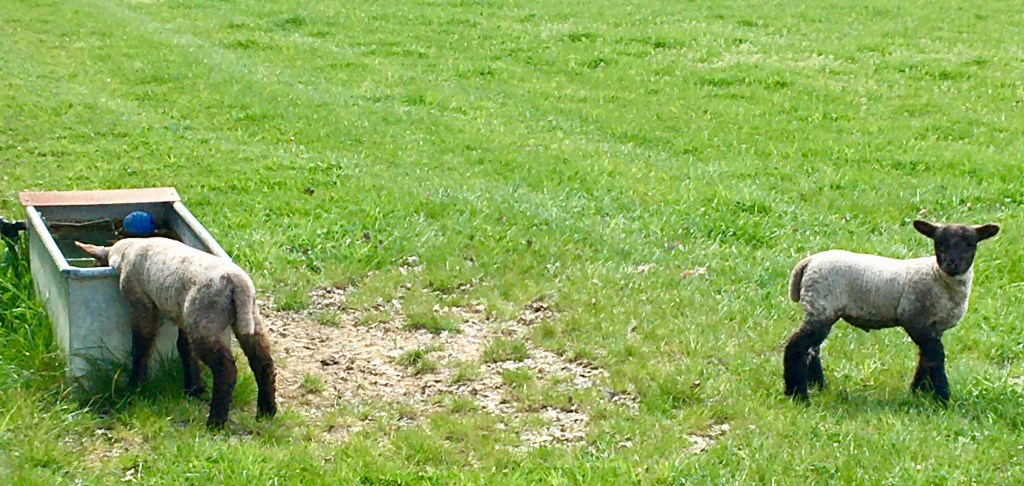
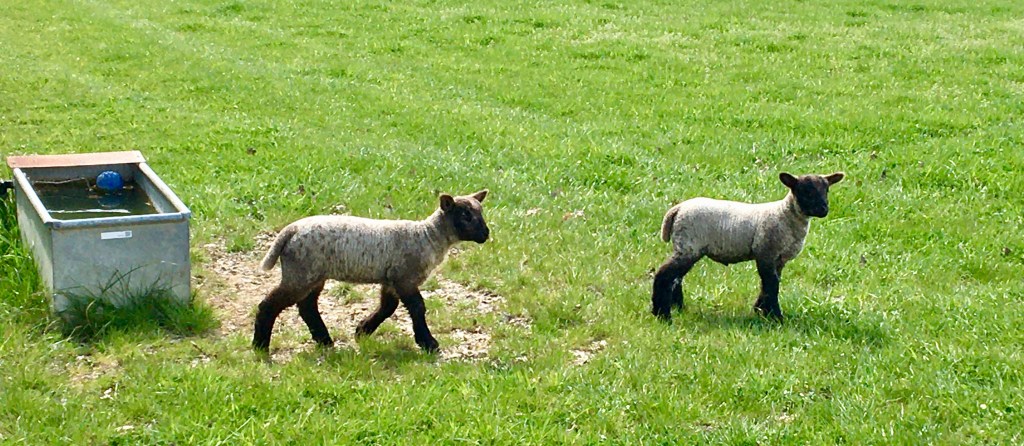
Spring and bluebells are synonymous, in the same way as Spring and Lambs. I’m obviously totally bias, absolutely knowing that our Soay sheep are the most beautiful of all breeds (!), but I have to admit, there were some lovely, chatty mums and portly lambs, resembling cuddly teddy bears, along the way.
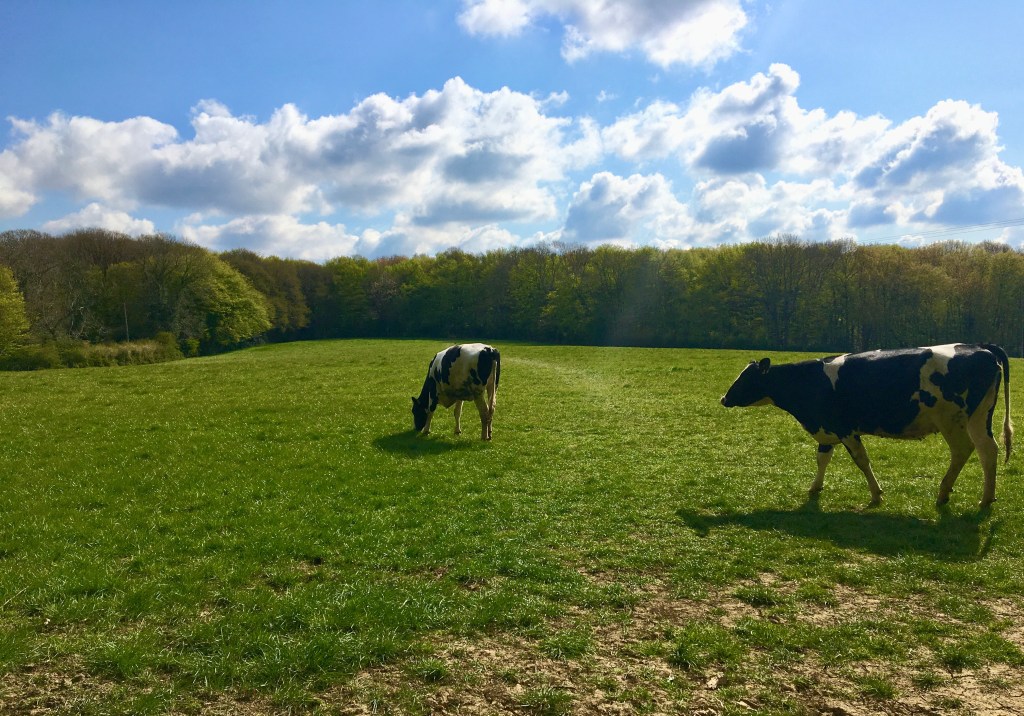
In other fields, cows enjoyed the gentle warmth of the spring sunshine, fresh grass and drier ground.
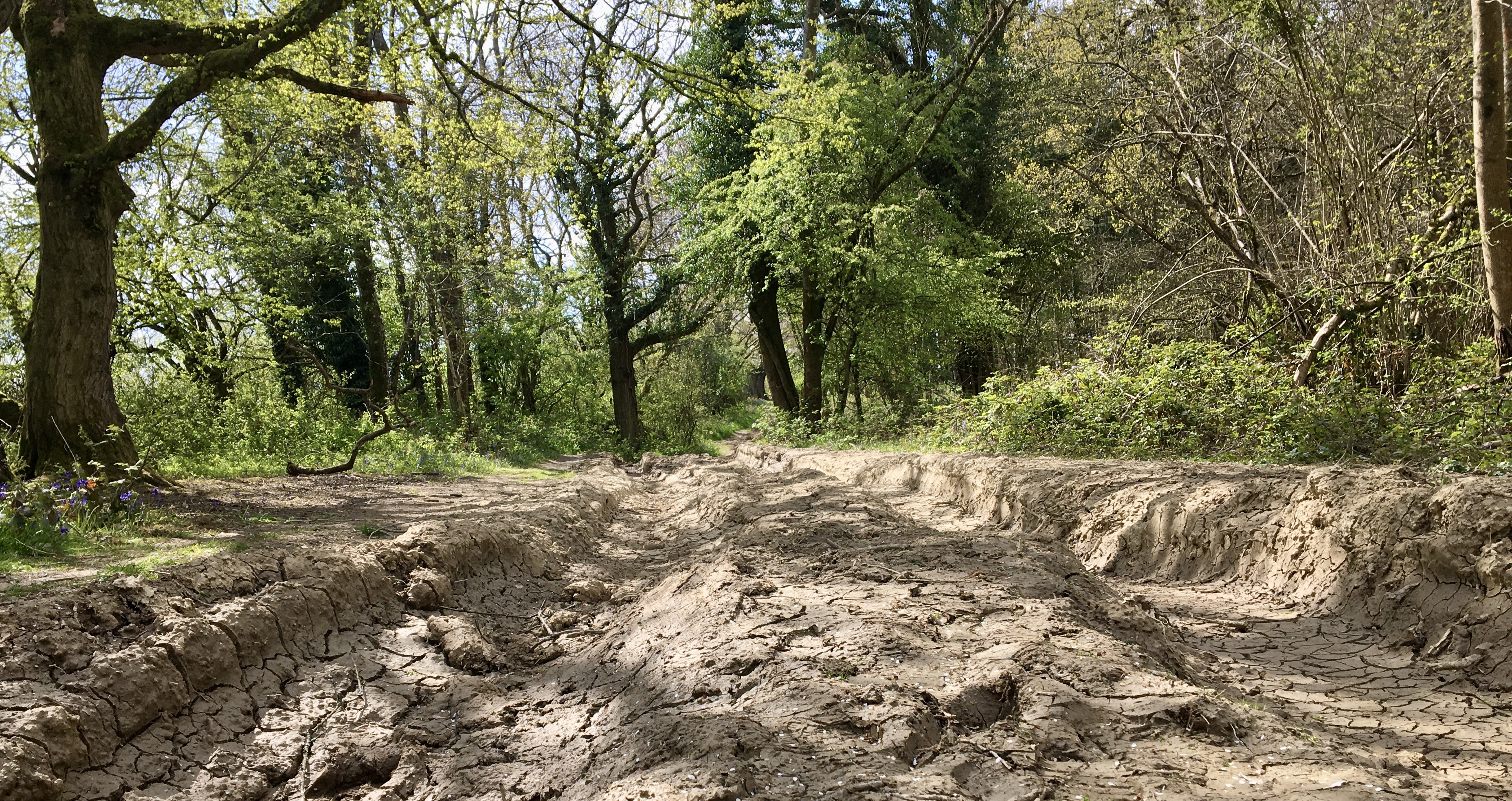
The effect of the drier weather, after such a wet winter, was clear in parts of the route, where the path had been trampled bare and then dried like rocky clay – difficult to imagine how this will recover.
The return to Littlehaven is slightly less rural, but none the worse for that – a wider variety of spring flowers line the banks of the roads and paths, and you will be back in Littlehampton and your car before you’d guess!
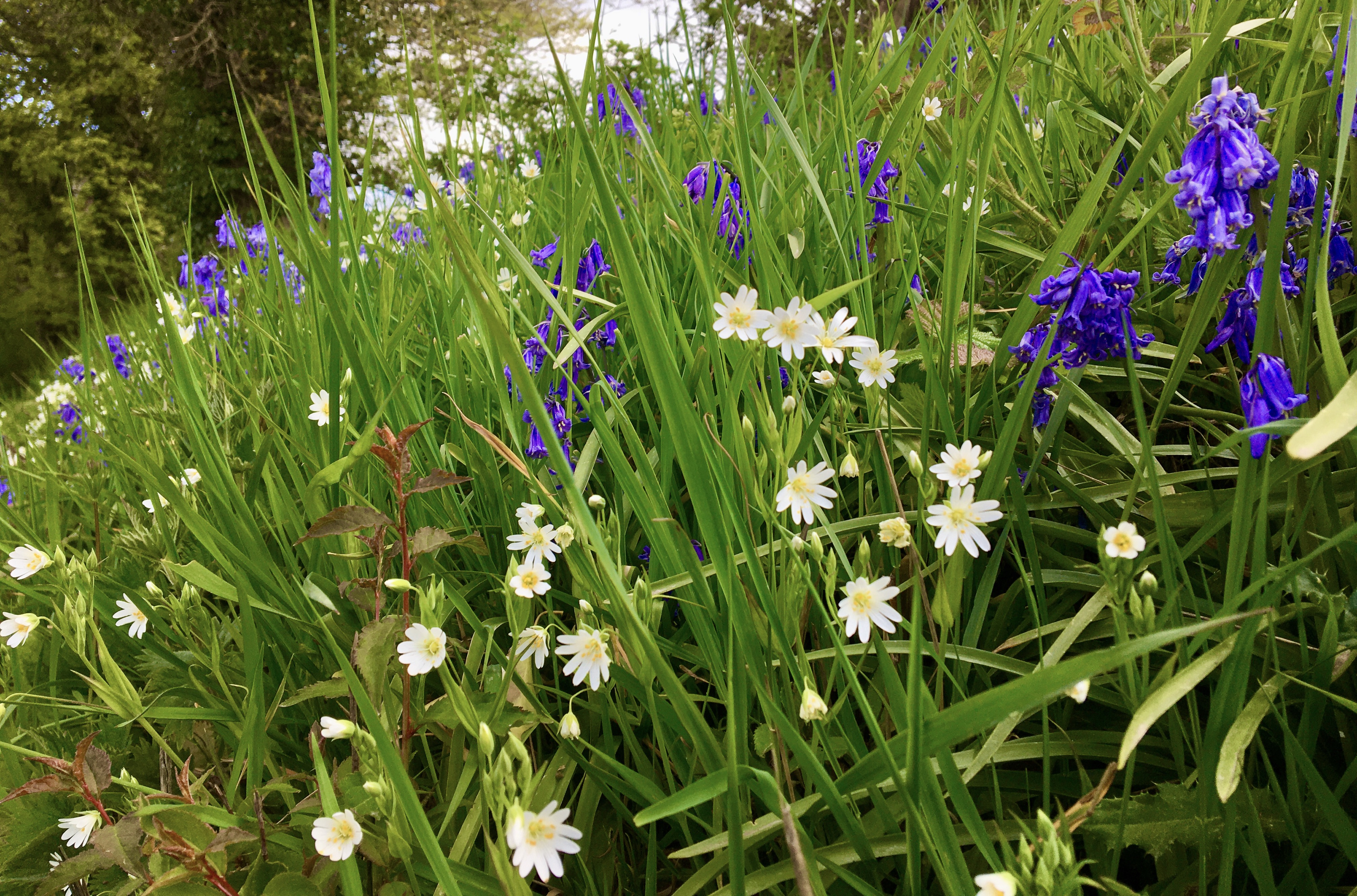
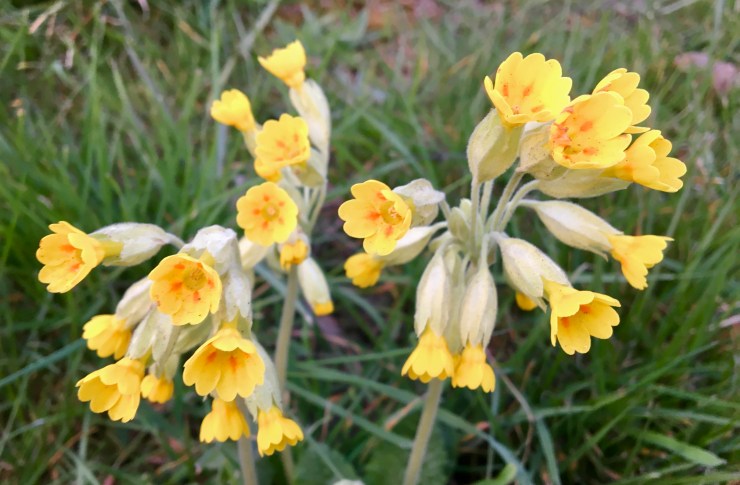
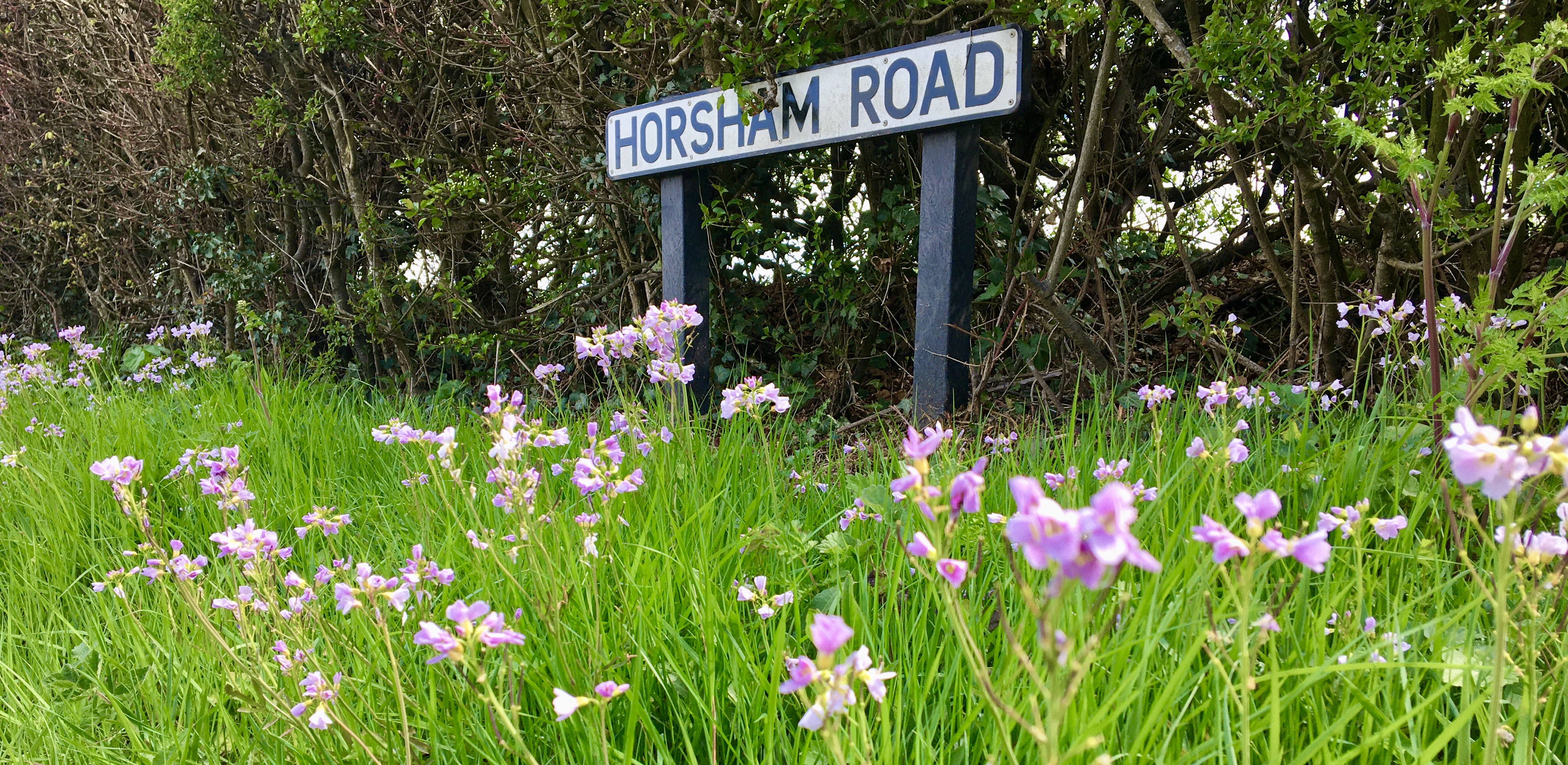
- Daisies & Bluebells, Cowslips, and below, a profusion of pastel pink Cuckoos’ flower – also known as lady’s smock, or milkmaids. Where do the names for our wild flowers come from?!
For the route, on Komoot (a walking app which can be downloaded free onto your phone), follow this link
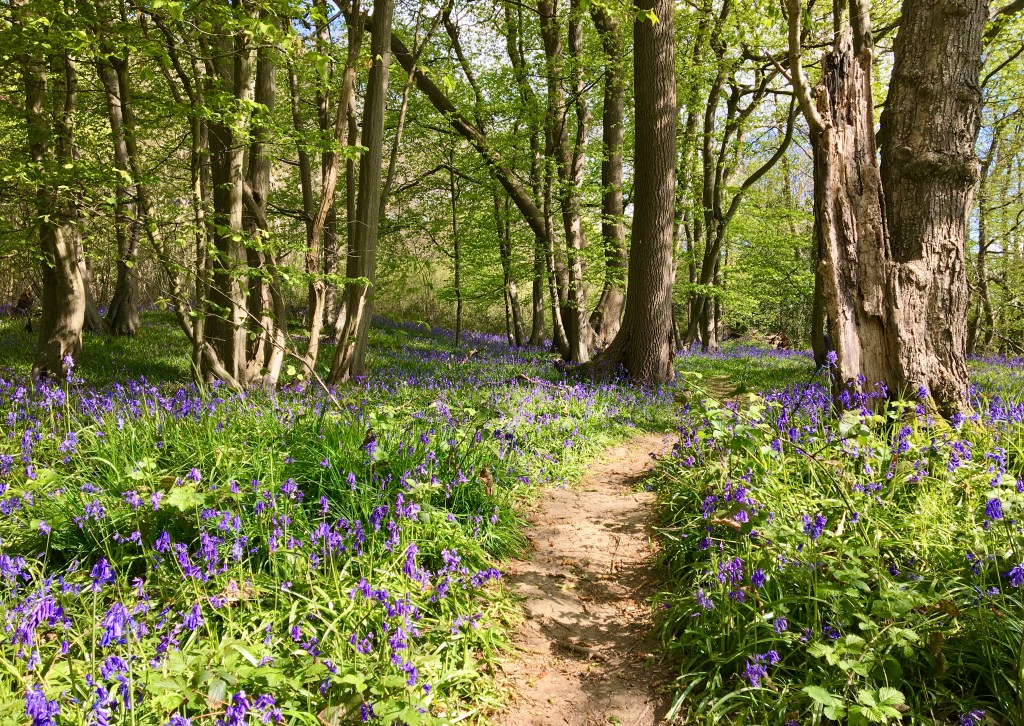
Bluebell heritage
Bluebells are iconic English flowers – but the Victorians, with their urge to travel, explore and bring home, have left an indelible mark… They brought Spanish Bluebells back from their travels, to adorn their gardens with a different variety of our much loved classic.
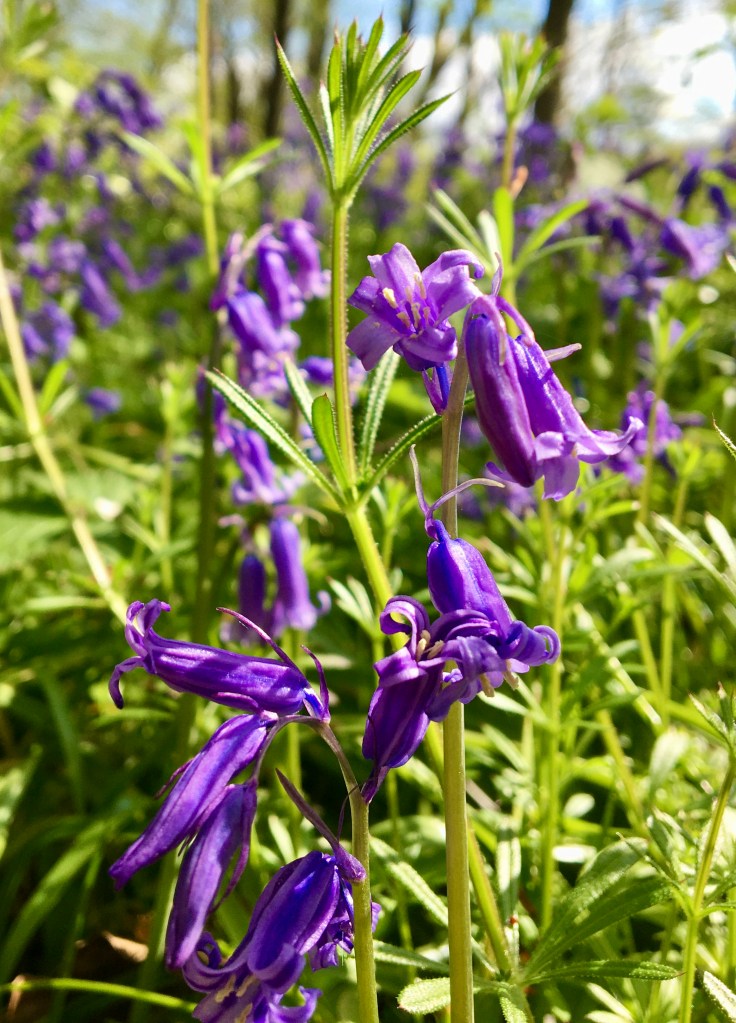
Wild bluebells are English. It can be tricky to distinguish them from their Spanish cousins, or hybrids which have developed from cross pollination. However, there are some features which help with classification:
- The Spanish variety has flowers all around a straight stem, as opposed to the more elegant English variety – whose bell shaped flowers appear only on one side of the stem, giving its distinctive, shepherd’s crook shaped bow.
- The pollen of English Bluebells is white, as opposed to the Spanish variety which produces blue pollen.
- Authentic UK bluebells bear narrow, bell shaped flowers whose petals gently curl back on themselves, whereas the petals open up towards the end of Spanish flowers, with less curl at the end of the petals.
- Another distinctive difference is scent – English bluebells have a light, sweet smell, but Spanish bluebells have none.
Cecily Mary Baker’s Flower Fairies
Another classic – and a favourite collection of poems and beautiful illustrations, the Flower Fairies are a truly informative way for children and adults alike to learn about our UK flowers!
The Bluebell Fairy (Cecily Mary Baker)
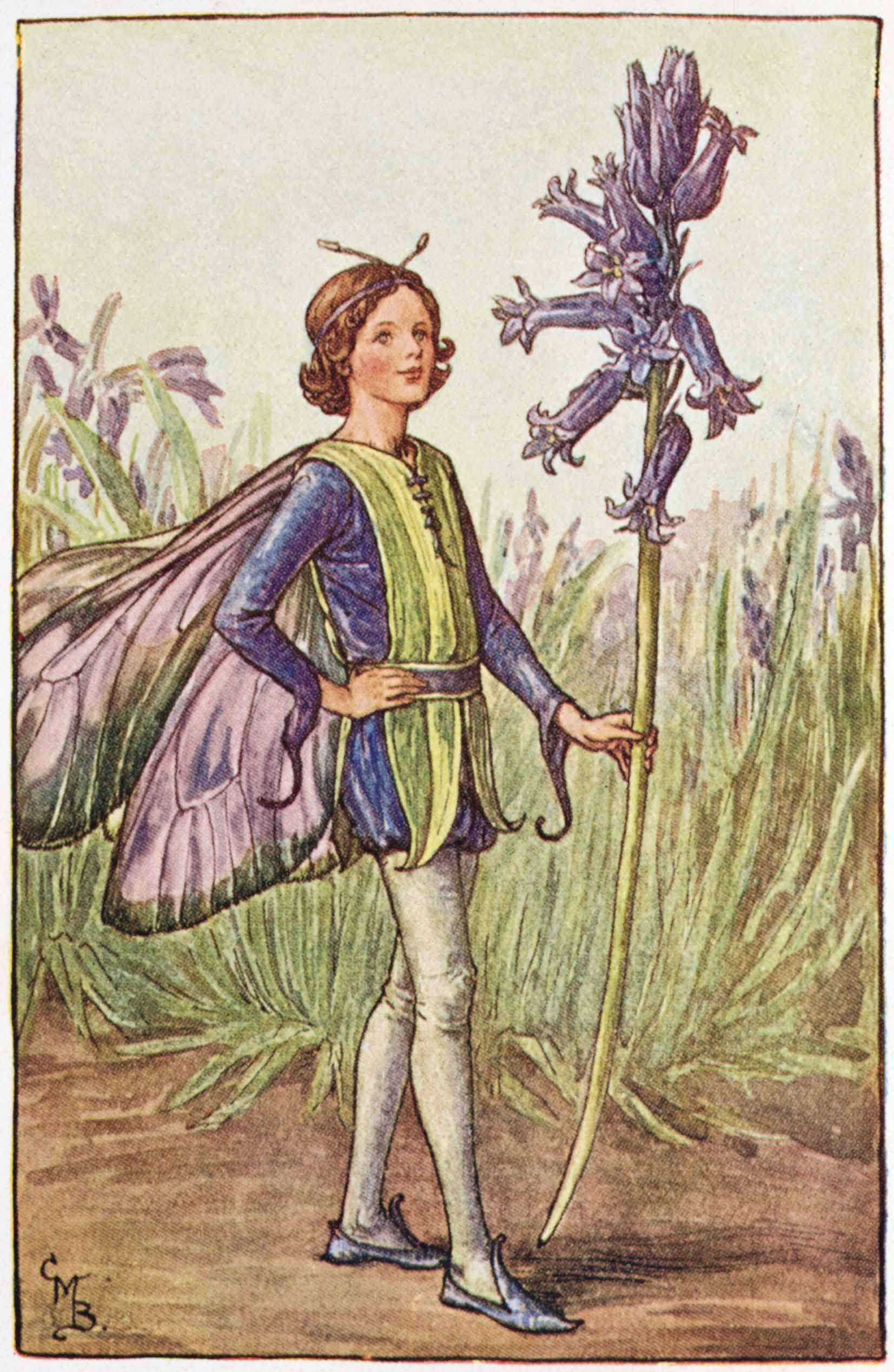
My hundred thousand bells of blue,
The splendour of the Spring,
They carpet all the woods anew
With royalty of sapphire hue;
The Primrose is the Queen, ’tis true.
But surely I am King!
Ah yes,
The peerless Woodland King!
Loud, loud the thrushes sing their song;
The bluebell woods are wide;
My stems are tall and straight and strong;
From ugly streets the children throng,
They gather armfuls, great and long,
Then home they troop in pride—
Ah yes,
With laughter and with pride!

 The Oaks
Just tried to leave a comment, but it wanted a password and then everything disappeared. Sigh. Anyway, I enjoyed that – I forget how wooded the south can be. And I need to check the variety of bluebells in our garden! Thanks, Emma.
LikeLiked by 1 person
Thank you for your visit, and comment – and I hope your bluebells are of the True Blue variety! 🙏🏼😊☘️
LikeLiked by 1 person
Thank you for this lovely walk Emma, especially as I was able to avoid the dual carriageway. I don’t think I have seen Cuckooflowers down here, they are so pretty surely I would have noticed them? Looking them up “It grows wherever there is damp ground – wet grassland, damp meadows, pond margins and along the banks of streams. It is may also found on road verges and in ditches.” I need to be more observant. It is definitely damp enough!
LikeLike
Thanks Jude! Indeed it IS damp enough. But I’m afraid that soon our clay will be parched dry like hard rocks… how wonderful that those lovely flowers manage to thrive! Walking is a great way to enjoy them😊
LikeLiked by 1 person
Bluebell walks are always so rewarding, aren’t they? And you’ve caught the colour to perfection. There’s usually another treat or two as well, like new born lambs. This was the walk that had everything!
LikeLiked by 1 person
Thank you. You are so right, Margaret – and other treats such as dainty woodland anemones, and then the more vocal wild garlic…! We are so lucky to have beautiful lambs at home, too 🙂
LikeLiked by 1 person
A colour palette made in heaven, indeed, Emma! 🙂 🙂 And I love the Flower Fairies!
LikeLiked by 1 person
Thank you, Jo – English Bluebells and Fairies seem to be a match made in heaven, too!
LikeLike
How lovely to see your English Bluebells, Emma. My sister and i used to go out gathering these flowers when we were kids. I have fond memories ofus being knee-deep in bluebells. The poem is so lovely.
LikeLiked by 1 person
Sylvia, thank you so much – and how lovely to hear about your bluebell days… I can imagine you and your sister wading through the bobbing blue bells!
I’m glad you like the poem – the whole collection is just magical, I think!
LikeLiked by 1 person